
Giving away an old computer, monitor, phone or other device is only the first step in the recycling process. Once electronics arrive at an electronics recycling centre they generally go through a series of steps. They are designed to identify equipment, protect sensitive information, separate reusable components, and recover valuable materials. The process varies by equipment type and condition. But responsible recycling is about much more than simply breaking devices apart.
Companies can also embed asset tracking and data security. It should be before the equipment enters the material recovery stream.
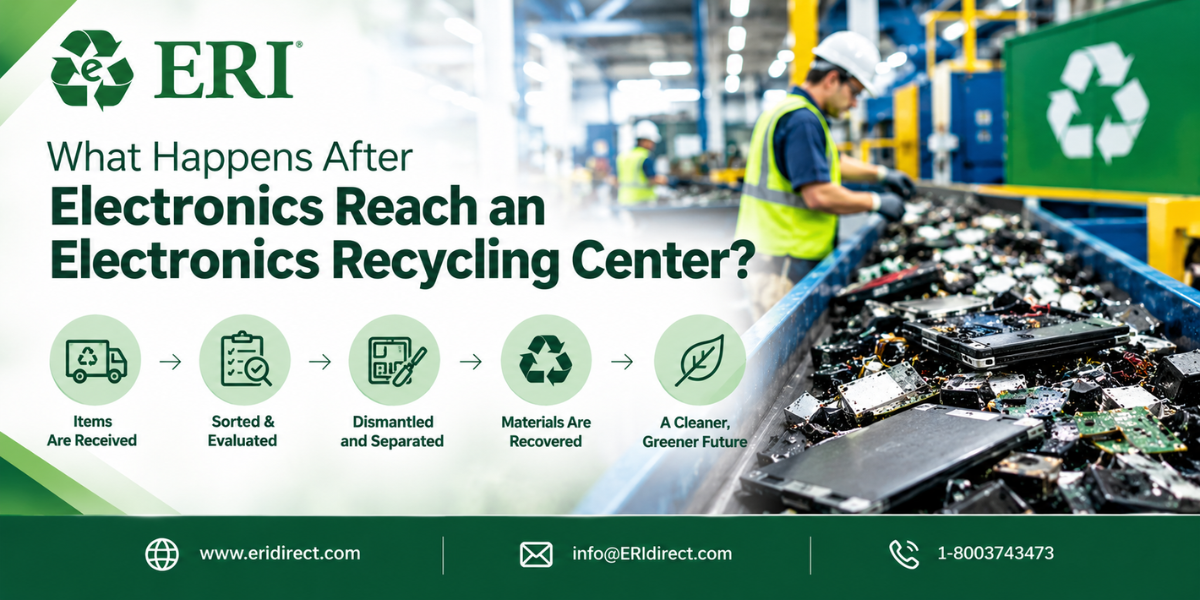
The First Step Is Identifying What Arrived
When equipment arrives at a professional recycling facility. The first priority is usually to find out what type of material is incoming.
Equipment at an electronics recycling centre can be sorted by type, condition, potential for reuse, and handling requirements for different materials.
Why initial sorting matters
Different electronics contain different combinations of plastics, metals, circuit boards, batteries, glass, and other components. Separating equipment early helps determine the appropriate processing route.
For example:
- Working equipment may be evaluated for reuse.
- Older devices may require data destruction.
- Damaged equipment can move toward material recovery.
- Batteries may require separate handling.
- Certain components may be processed through specialized recycling streams.
This first assessment creates the foundation for everything that follows.
Data Security Can Come Before Material Recovery
A computer may contain confidential information and valuable recyclable materials. The challenge for organisations retiring IT equipment is that the physical asset may be ready for recycling, but the data associated with it cannot simply be ignored.
Companies that use secure IT asset disposition procedures can have equipment inventoried, tracked, sanitised or physically destroyed to their specifications before the hardware is recycled. Professional ITAD programmes may include data destruction, asset tracking, remarketing, reuse and responsible recycling
What happens to data-bearing equipment?
Depending on the device and its intended disposition, a professional process may include:
- Data sanitization
- Hard drive destruction
- Device-level tracking
- Chain-of-custody documentation
- Certificates or reports confirming completed services
The objective is to ensure that recycling does not become an unintended route for sensitive information to leave the organization.
Reuse May Come Before Recycling
Not all the electronic devices need to be disassembled immediately. Sometimes functional equipment can be tested, refurbished, remarketed, or donated.
This is important as prolonging a device’s useful life can conserve the value already embedded in its production.
A computer that is still able to serve another user may go another way than a damaged device that has hit its practical life expectancy. This way, professional disposition programmes are able to assess the conditions before deciding on reuse or recycling of the equipment.
What Happens to Valuable Materials?
Many electronic products contain materials that are recoverable and can be returned to manufacturing supply chains. Some of the metals with high recovery value are aluminium, copper and steel. Circuit boards have other materials that can be processed with specialised systems.
That flow of material is one reason why responsible electronic recycling is not the same as ordinary trash disposal. The device is seen as a collection of materials that can be recovered in various ways.
A device becomes several resource streams
Consider an old desktop computer. After processing, its components might be separated into:
- Metal housing
- Copper-containing wiring
- Circuit boards
- Plastic components
- Glass or display materials
- Storage devices
- Power supplies
Each category can require a different downstream process.
The Difference Between Recycling and Electronic Disposal
The terms are sometimes used interchangeably, but they refer to different outcomes.
Electronic disposal can be as easy as throwing away unwanted equipment. Recycling is about reclaiming materials and putting them through proper processing channels.
That difference is particularly crucial for companies that process vast quantities of retired technology. Having a documented recycling process can increase visibility into where equipment goes after it is collected
How to Find the Right Recycling Facility
People who want to find an electronics recycling center should consider more than convenience. The right facility depends on the type and volume of equipment. Also include data-security needs, local regulations and services offered. Residential consumers might want a simple drop-off option for a few devices.
What the Process Reveals About E-Waste
But when you look at the entire recycling journey, a few e-waste facts come into focus. Electronic equipment is not a single substance. It is a mixture of components with very different requirements for reuse, recovery, security and handling.
The recycling process therefore involves a series of decisions at different points: what can be reused, what needs data protection, what can be recovered and what needs specialised downstream treatment.
FAQs
What happens to electronics after they arrive at a recycling facility?
Equipment is generally assessed, sorted, and directed toward the appropriate path. Depending on its condition. It may be reused, refurbished, dismantled, or processed for material recovery.
Are hard drives recycled with the rest of the computer?
Data-bearing devices may require separate treatment. Businesses should ensure that sensitive information is securely sanitized or destroyed before the storage device enters the appropriate recycling stream.
Can working electronics be reused instead of recycled?
Yes. Functional equipment may be tested and evaluated for reuse, refurbishment, remarketing, or donation when appropriate. Recycling is generally considered when reuse is not practical.
Conclusion
An electronics recycling centre is one piece of a larger process. That can start with collection and identification. And continue through data security, reuse evaluation, dismantling, material separation and responsible downstream processing.
Consumers who understand these stages. They are better equipped to make decisions about recycling. This is even more important for businesses. As retired technology may contain sensitive information and recoverable materials. Looking at the lifecycle as a whole helps ensure that electronics are managed in a way. That considers security, resource recovery and responsible disposal.